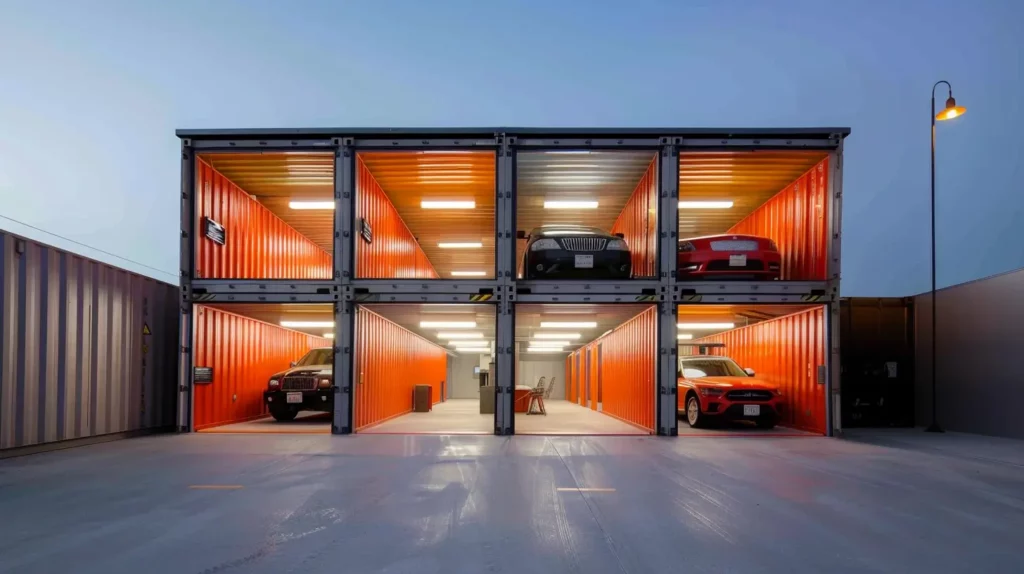
Shipping Containers: A Fast, Secure Alternative for Garages, Workshops, and Parts Storage
For vehicle owners, project collectors, and car enthusiasts looking for a fast, secure, and cost-effective alternative to built structures, shipping containers offer exceptional functionality. Whether you need a dry garage for a classic car, a sheltered workshop for an off-road vehicle, or secure storage for a large pile of spare parts, the principles of securing space are universal. The following guide, although focused on large properties and agricultural machinery, explains in detail the key factors that will protect your equipment from deterioration.
Shipping Containers for Farm and Agricultural Storage
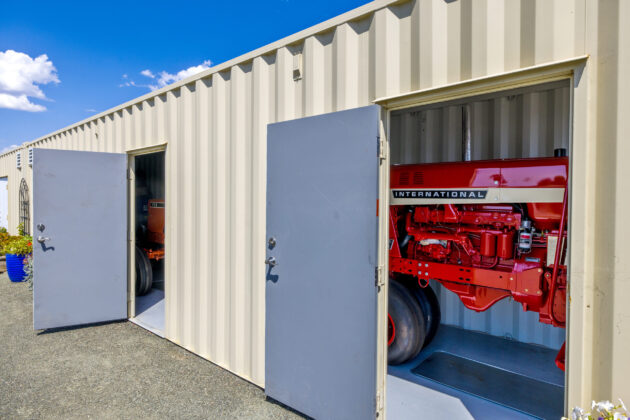
Farms generate a constant demand for secure, weatherproof storage. Feed, seed, fertilizer, tools, spare parts, and seasonal equipment all need to be kept dry, protected from pests, and accessible when needed. Conventional agricultural buildings address that need, but they are expensive to build, require permits, and take time to erect. A shipping container offers a faster and often more cost-effective alternative for many of those same applications.
Farm buyers tend to be practical decision-makers. This guide focuses on the real-world considerations that matter most when placing a container on a working agricultural property.
What Farms Typically Store in Containers
The range of agricultural storage applications is broad, and containers handle most of them well. Common uses include:
- Bulk seed and grain storage in sealed bags or intermediate bulk containers
- Fertilizer, herbicide, and pesticide storage away from living areas and water sources
- Small equipment, hand tools, and workshop supplies
- Spare parts for tractors, irrigation systems, and harvesting equipment
- Seasonal items such as irrigation pipe, fencing materials, and harvest bins
- Cold-climate protection for equipment that deteriorates in freeze-thaw conditions
What containers do not handle well without modification is live storage of grain in bulk quantity, which requires ventilation and humidity control beyond what a standard steel container provides. For bagged or containerized commodities, a standard unit works reliably. For loose bulk grain intended for long-term storage, a dedicated grain bin remains the more practical solution.
Size Selection for Agricultural Use
Farm storage demands tend to run larger than residential needs. The 40ft container is the more common choice on working farms, where the volume of materials being stored and the size of equipment being secured both push toward maximum floor space.
A used 40ft container provides approximately 300 square feet of floor space and enough length to store long implements, rolled fencing, irrigation pipe, and other awkward items that would not fit in a 20ft unit. At roughly double the floor area of a 20ft container, it consolidates what might otherwise require two smaller units.
The 20ft container still has a place on farms for dedicated applications: a secure chemical storage unit positioned away from the main yard, a tool store near a specific work area, or a temporary storage solution during harvest or construction. Multiple smaller containers positioned strategically around a large property can be more practical than a single large unit in one location.
High Cube Containers for Equipment Storage
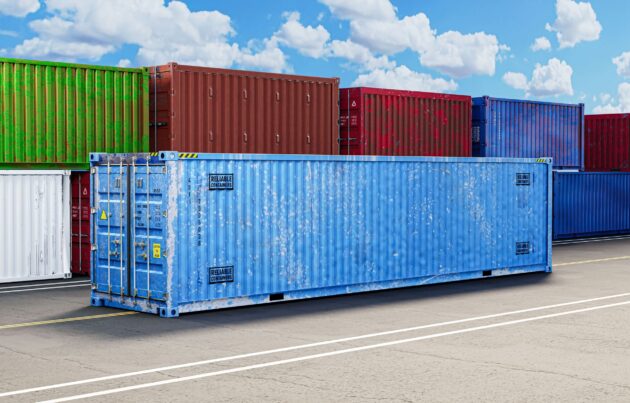
Farm equipment presents a height challenge that standard containers do not always solve. A standard container interior is 7ft 9in tall, which clears most hand tools, bagged materials, and small implements but falls short for larger equipment with enclosed cabs, raised attachments, or vertical storage requirements.
A high cube container adds approximately one foot of interior height, bringing the ceiling to around 8ft 9in. For storing ATVs, compact utility tractors, small skid steers, or equipment with antennas and mounted lights, that additional headroom makes a genuine difference. A used 40ft high cube container is the most common choice for farm buyers who need both maximum floor space and vertical clearance.
Before assuming a high cube solves a height problem, measure the equipment that will be stored. Some larger tractors and combines exceed even high cube dimensions and are better suited to open-sided machinery sheds than enclosed containers.
Placement on Rural Properties
Rural properties typically offer more delivery flexibility than residential or commercial sites. Wider laneways, longer approach distances, and fewer overhead obstructions make container placement more straightforward on most farms. That said, a few site-specific factors deserve attention before booking delivery.
Ground conditions are the primary concern on agricultural land. Farm laneways and yard surfaces are often unpaved, and wet or soft ground can cause a loaded delivery truck to sink or get stuck. Scheduling delivery during dry conditions or after a period without rain is advisable. If the placement area is far from a hard-surfaced road, discuss the access route with the supplier in advance.
The base under the container matters more on agricultural land than buyers often expect. Placing a container directly on bare soil invites settling, moisture accumulation under the floor, and accelerated corrosion on the undercarriage. A layer of compacted gravel under the four corners, or concrete blocks at each corner casting, provides a stable and well-drained foundation without significant cost or preparation time.
Chemical and Hazardous Material Storage
Farms that store agricultural chemicals face regulatory requirements around containment, signage, and separation from water sources and living areas. A dedicated container used for chemical storage can meet many of these requirements effectively, particularly when positioned according to local agricultural guidelines.
A few modifications improve a container’s suitability for chemical storage. A containment berm or drip tray inside the container captures spills before they reach the floor drain or ground. Louvred ventilation prevents vapour accumulation from volatile products. A hasp and lockbox on the door restricts access to authorized personnel.
Buyers using a container for regulated chemical storage should confirm compliance requirements with their provincial or state agricultural authority before assuming a standard container meets all applicable standards. The container itself is a practical and durable vessel; regulatory compliance depends on how it is configured and positioned on the property.
New vs. Used for Agricultural Applications
For most farm storage uses, a used cargo-worthy container is the right choice. Agricultural storage is functional by nature. Surface rust, faded paint, and minor cosmetic wear have no bearing on whether a container keeps feed dry or tools secure. The cost savings relative to a new unit are meaningful, and the structural certification of a cargo-worthy grade provides confidence that the unit is sound.
The exception is chemical storage, where floor condition and interior cleanliness matter more. A used container with an unknown cargo history introduces a potential contamination variable for chemical applications. In that specific context, a one-trip container with a clean interior history is a justifiable additional investment.
Multiple Containers and Site Organization
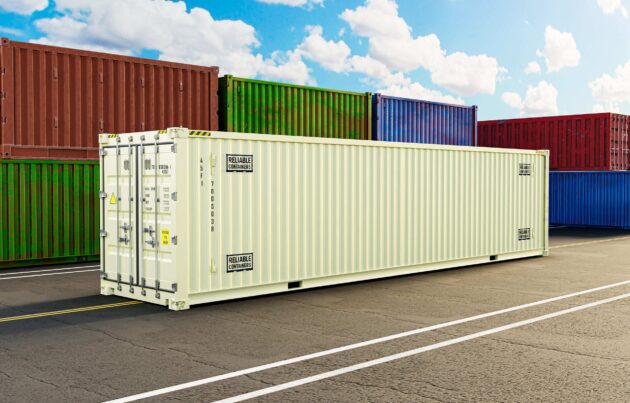
Larger farm operations often benefit from multiple containers positioned at different points around the property rather than a single centralized unit. A container near the main equipment shed for parts and tools, a separate unit near the field entrance for irrigation supplies, and a dedicated chemical store positioned away from water sources and buildings represents a practical and flexible approach to farm storage organization.
Containers can be positioned end-to-end or side-by-side with small gaps between them. End-to-end placement allows both units to be accessed from the same working area. Side-by-side placement creates a wider storage footprint but requires each container to be accessed from its own door end. A covered space between two parallel containers, formed by attaching a simple roof structure between them, is a common farm modification that creates a sheltered work area at minimal cost.
Long-Term Value on the Farm
A well-sited and properly maintained container on a farm property is a long-term asset. Steel containers have service lives measured in decades, and with minimal upkeep they outlast most alternative storage structures at comparable cost.
Resale value is a secondary benefit. A cargo-worthy container in reasonable condition retains meaningful resale value, particularly in agricultural regions where demand is steady. Farm operations change over time, and a container that has served its purpose can be sold rather than left as a liability.
Buyers looking to understand delivered pricing to a specific farm location can use a live rate tool to get accurate cost information before making a purchase decision. Delivery distance from the nearest container depot is one of the more variable cost factors for rural buyers, and knowing that number upfront avoids surprises.
Frequently Asked Questions
Do I need a permit to place a shipping container on agricultural land?
Agricultural zoning often has more permissive rules for accessory structures than residential or commercial zones, but requirements vary by municipality and province or state. Some jurisdictions exempt temporary placements or containers below a certain size from permit requirements. Checking with the local planning authority before purchase is the only reliable way to confirm what applies to a specific property.
Can a container be used to store hay or straw?
A standard steel container is not ideal for hay or straw storage. Those materials require significant airflow to prevent mold and heating, and an enclosed steel container without modification does not provide adequate ventilation. Open-sided hay sheds remain the better solution for bulk forage storage. Containers work well for bagged feeds, supplements, and other packaged agricultural inputs that benefit from weatherproof and pest-resistant enclosure.
How do I prevent condensation inside a container used for seed or feed storage?
Condensation forms when warm, moist air contacts the cooler steel walls and roof of a container. The most effective prevention is ventilation: louvred vents near the top of each end wall allow humid air to escape and reduce the temperature differential that causes condensation. Keeping stored goods on pallets off the floor also helps by allowing air circulation underneath and preventing moisture transfer from the floor planking.
What is the best way to secure a container against theft on a rural property?
The standard door locking system on a container accepts a padlock directly, which provides basic security. A lockbox welded over the hasp conceals the padlock shackle and makes cutting it significantly more difficult. For high-value contents, a second internal locking bar across the inside of the doors adds another layer of resistance. Motion-activated lighting near the container door is a low-cost deterrent that is particularly effective on rural properties with limited natural surveillance.