
Fleet Appearance and Maintenance Strategies That Help Trucking Companies Protect Long-Term Asset Value
The trucking industry depends heavily on efficiency, reliability, and operational consistency. While engine maintenance and fuel management often receive the most attention, fleet appearance has become an increasingly important factor for transportation businesses looking to protect their long-term investments. Trucks represent significant operational assets, and maintaining their condition both mechanically and visually plays a direct role in business reputation and resale value.
As freight demand continues to fluctuate across regional and national markets, transportation companies are focusing more on preventive maintenance strategies that reduce unnecessary expenses.
According to reporting from The New York Times, supply chain disruptions and rising operational costs have pushed many logistics companies to maximize the lifespan of existing fleet vehicles rather than replace them prematurely.
Why Exterior Damage Should Never Be Ignored
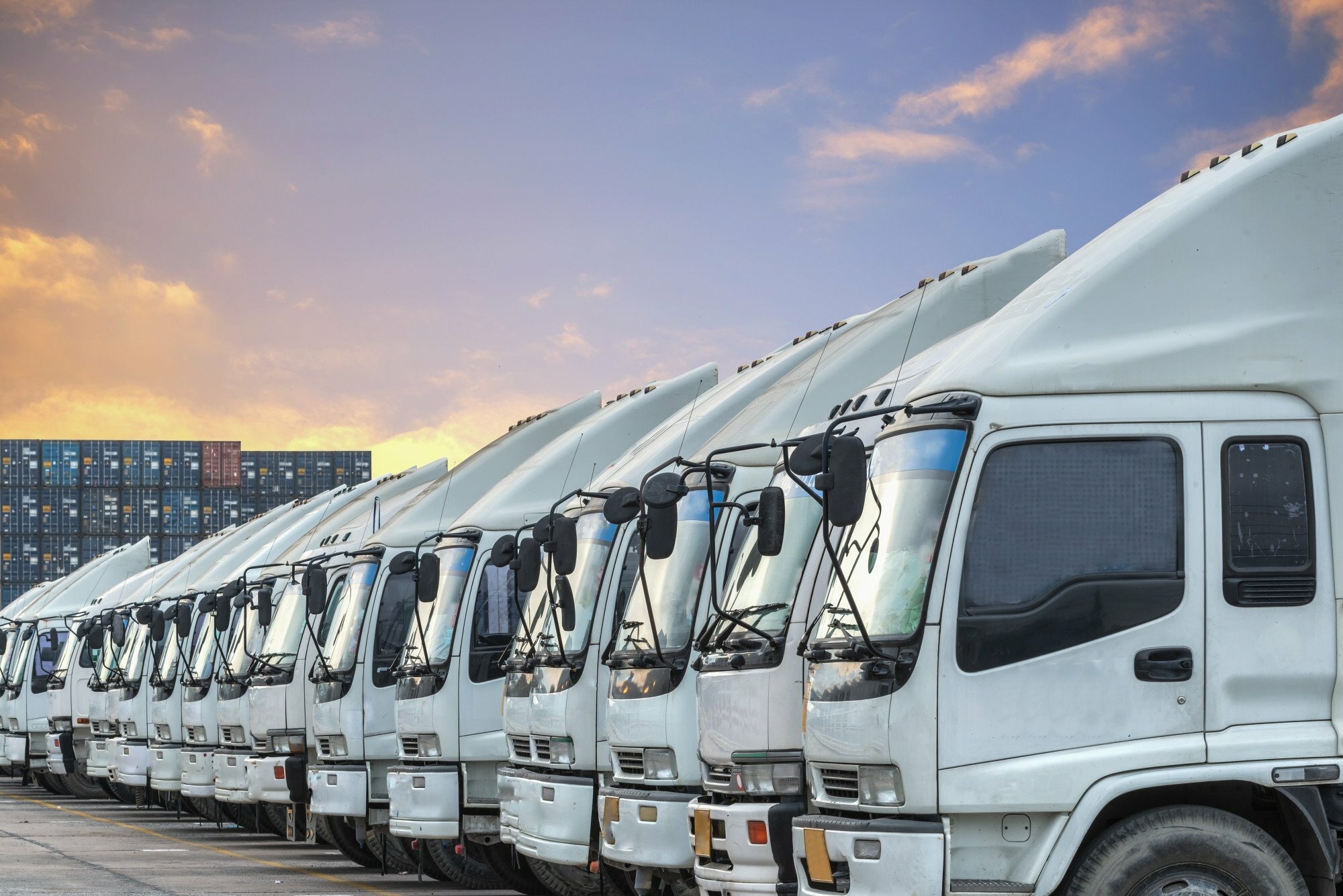
Commercial trucks travel thousands of miles every month through construction zones, highways, loading docks, industrial yards, and urban delivery routes. This constant exposure increases the likelihood of dents, scratches, and body panel damage.
Many operators delay cosmetic repairs because the damage may seem minor compared to engine or tire issues. However, neglecting exterior maintenance can eventually affect vehicle value, company image, and long-term repair expenses. Small dents can worsen over time due to corrosion, paint cracking, and environmental exposure.
Fleet owners are increasingly turning to specialized repair providers such as True Form Dent Repair to restore vehicle panels without lengthy downtime or expensive repainting procedures. Efficient dent repair solutions help companies maintain professional fleet appearance while minimizing operational disruption.
The Connection Between Fleet Appearance and Business Reputation

In competitive transportation markets, first impressions matter. Trucks displaying visible body damage may unintentionally signal poor maintenance practices, even if the company performs well operationally. Customers, brokers, and logistics partners often associate clean and well-maintained vehicles with reliability and professionalism.
This is especially important for businesses involved in:
- Retail distribution
- Dedicated contract freight
- Food and beverage transportation
- High-value cargo hauling
- Last-mile delivery operations
A professional-looking fleet also strengthens brand visibility. Every truck on the road acts as a mobile advertisement representing the company across multiple cities and states daily.
Common Causes of Dent Damage in Commercial Fleets
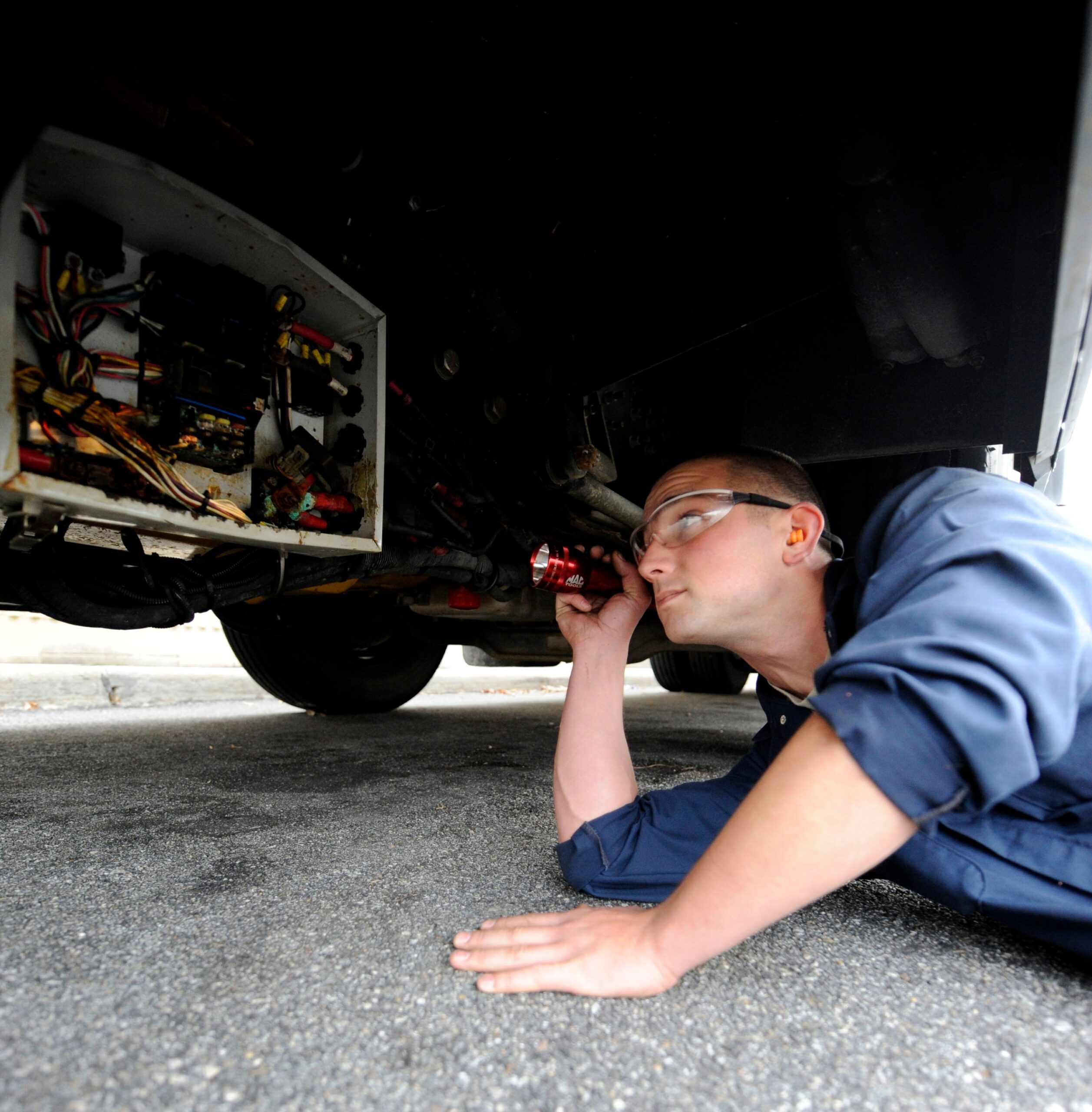
Fleet vehicles encounter challenging operating environments that increase the risk of cosmetic damage. Understanding these risks helps companies improve preventive strategies.
Loading Dock Incidents
Busy loading facilities create tight maneuvering conditions where accidental contact with barriers, equipment, or trailers can occur.
Road Debris and Gravel
Highway debris remains one of the most common causes of minor body damage for long-haul trucks.
Severe Weather Conditions
Hailstorms, falling branches, and strong winds can quickly damage multiple fleet vehicles at once.
Urban Delivery Routes
Frequent parking, narrow streets, and congested delivery zones increase the likelihood of minor impacts and scrapes.
According to transportation coverage published by BBC News, extreme weather events continue to create growing challenges for transportation infrastructure and commercial vehicle operations worldwide.
Benefits of Early Dent Repair for Fleet Operators
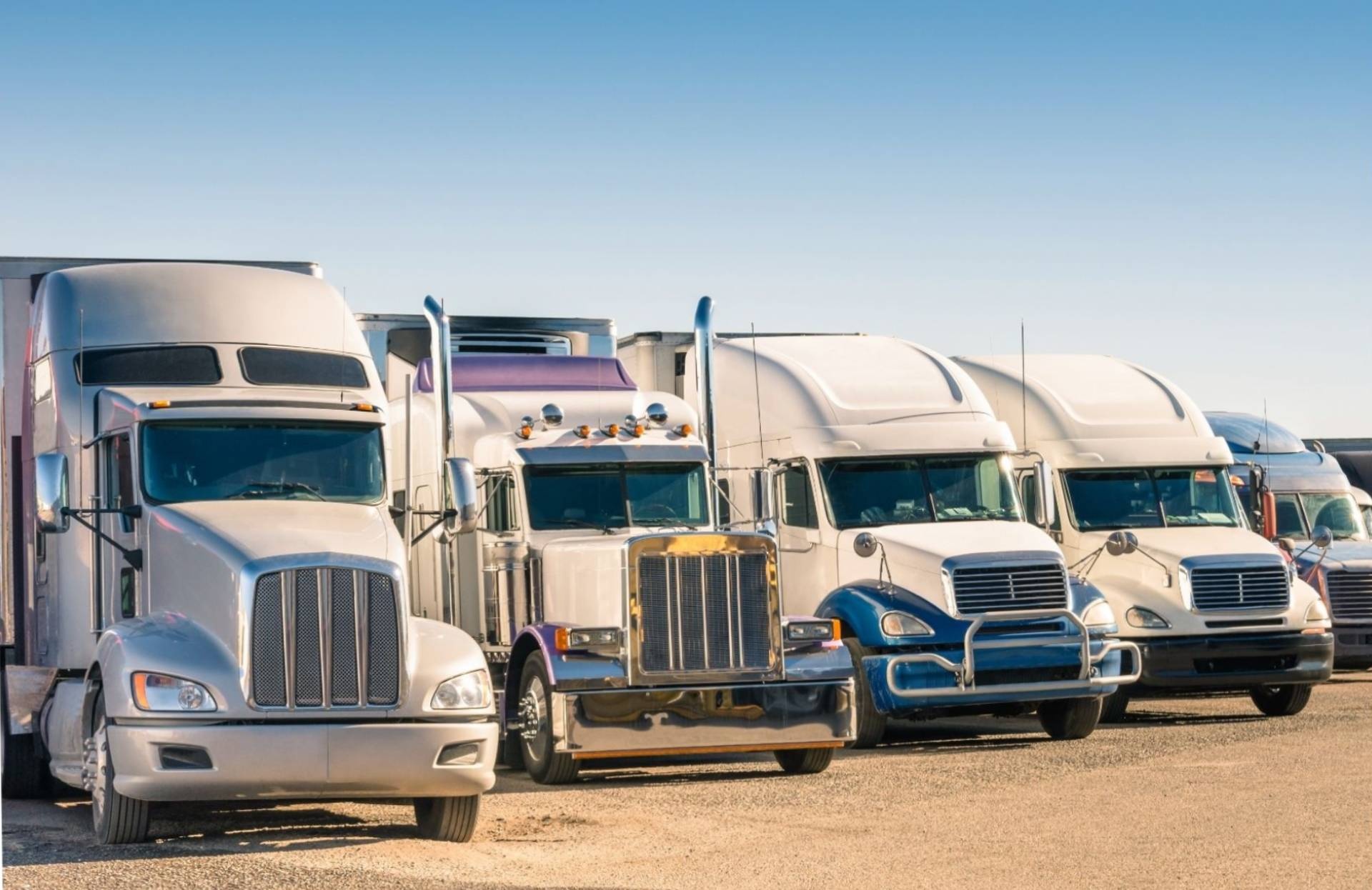
Addressing cosmetic damage early often prevents more expensive repairs later. Modern dent repair methods allow companies to restore body panels quickly while maintaining original paint quality.
Key benefits of prompt dent repair include:
|
Benefit |
Operational Advantage |
|
Faster repair turnaround |
Reduces downtime |
|
Preserves factory finish |
Protects resale value |
|
Lower repair costs |
Improves maintenance budgeting |
|
Better fleet appearance |
Enhances brand reputation |
|
Prevents corrosion |
Extends vehicle lifespan |
For companies managing multiple trucks, small savings per repair can generate significant long-term financial benefits across the fleet.
Preventive Maintenance Beyond Mechanical Systems
Preventive maintenance programs traditionally focus on engines, brakes, tires, and fluid systems. However, many fleet managers are now incorporating exterior inspections into regular maintenance schedules.
A comprehensive fleet maintenance plan may include:
- Weekly visual inspections
- Monthly body damage assessments
- Scheduled professional detailing
- Paint protection monitoring
- Immediate reporting procedures for dents or scrapes
This proactive approach allows companies to identify issues before they escalate into larger repair projects.
Driver Awareness Plays a Major Role
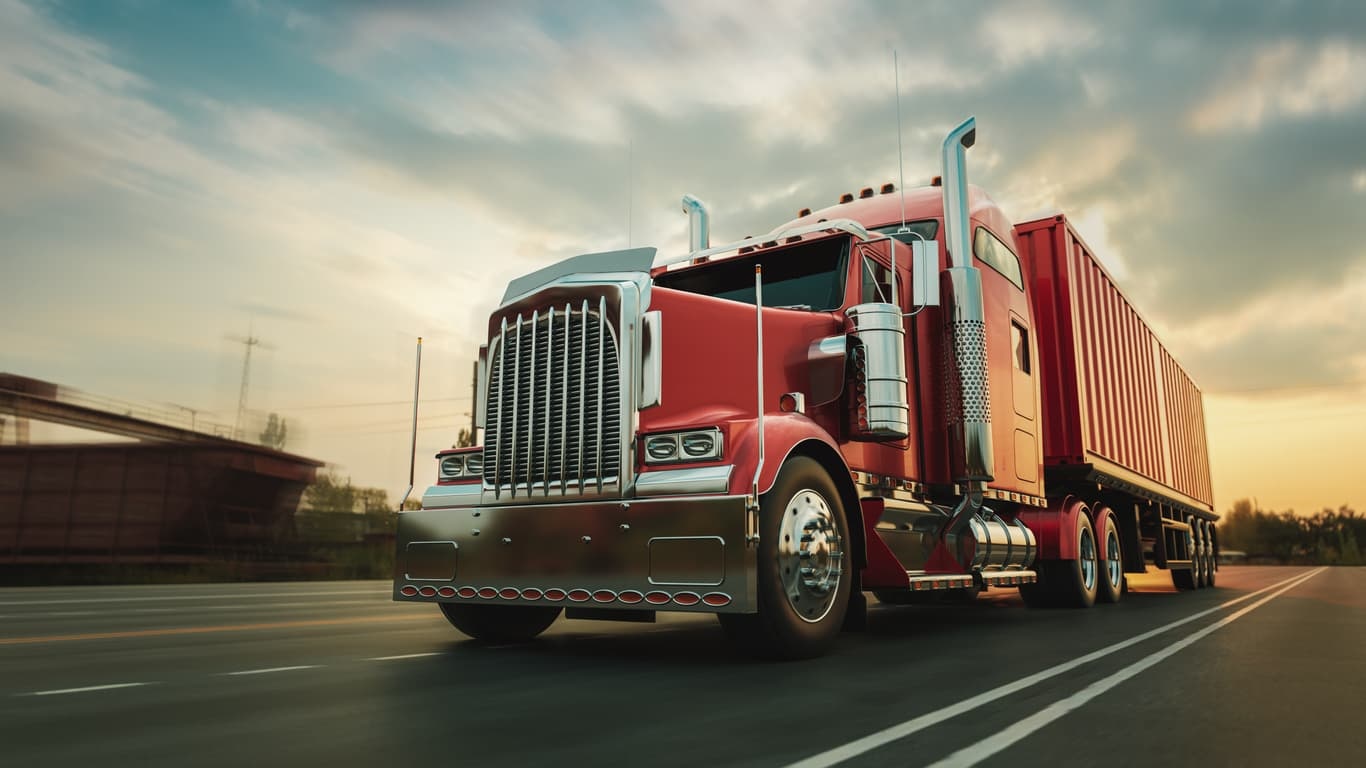
Drivers are often the first to notice cosmetic damage during daily inspections or route operations. Encouraging drivers to report issues immediately helps maintenance teams respond quickly.
Some transportation companies now include vehicle presentation standards within driver training programs. These standards may cover:
Inspection Procedures
Drivers perform routine walkarounds before and after trips.
Parking Best Practices
Safe parking strategies reduce unnecessary contact damage.
Reporting Systems
Fast reporting allows quicker repair scheduling.
Cleanliness Standards
Regular cleaning improves visibility of dents and scratches.
When drivers understand the importance of fleet appearance, companies often experience fewer long-term maintenance issues.
How Fleet Appearance Impacts Resale Value
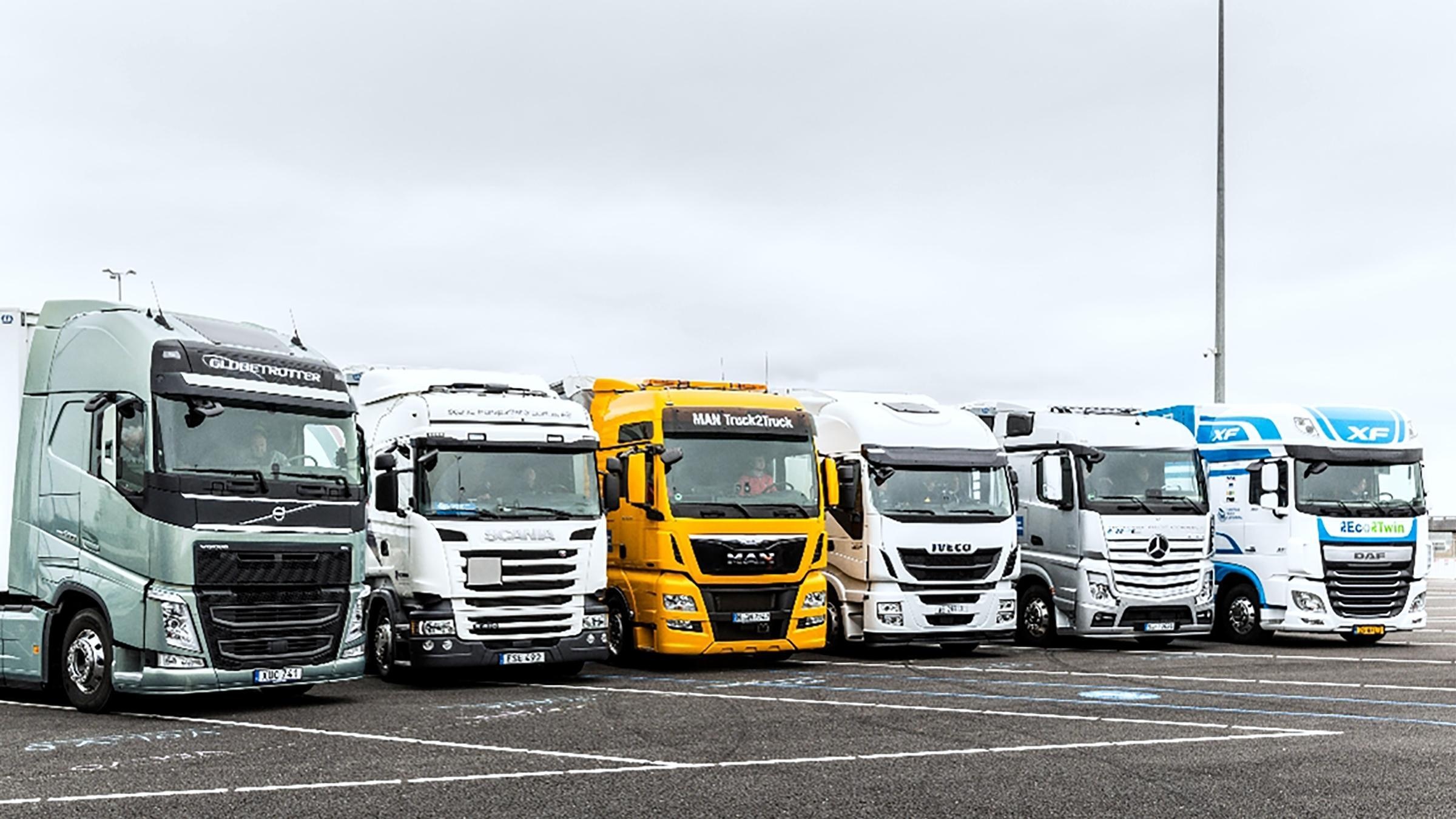
Truck replacement cycles can significantly affect transportation budgets. When companies eventually sell or trade vehicles, condition becomes a major factor influencing resale prices.
Exterior damage can reduce buyer confidence and lower trade-in offers. Maintaining body panels and paint condition helps preserve asset value over time.
Fleet managers considering resale should prioritize:
|
Fleet Appearance Factor |
Impact on Resale |
|
Dent-free panels |
Higher buyer confidence |
|
Original paint condition |
Better market value |
|
Consistent maintenance records |
Stronger negotiation position |
| Clean branding appearance |
Professional presentation |
|
Minimal corrosion |
Longer usable lifespan |
For owner-operators and smaller fleets, maximizing resale value is particularly important because replacement costs continue to rise across the commercial vehicle market.
The Growing Importance of Operational Presentation
Transportation companies are operating in an increasingly competitive environment where professionalism matters at every level. Fleet appearance now contributes to customer trust, employee morale, and overall brand identity.
Well-maintained trucks communicate attention to detail and operational discipline. Combined with strong maintenance practices, timely cosmetic repairs help companies protect their investments while maintaining a polished presence across highways, distribution centers, and customer facilities.
As trucking businesses continue adapting to changing market conditions, maintaining both mechanical performance and exterior condition remains essential for long-term operational success.