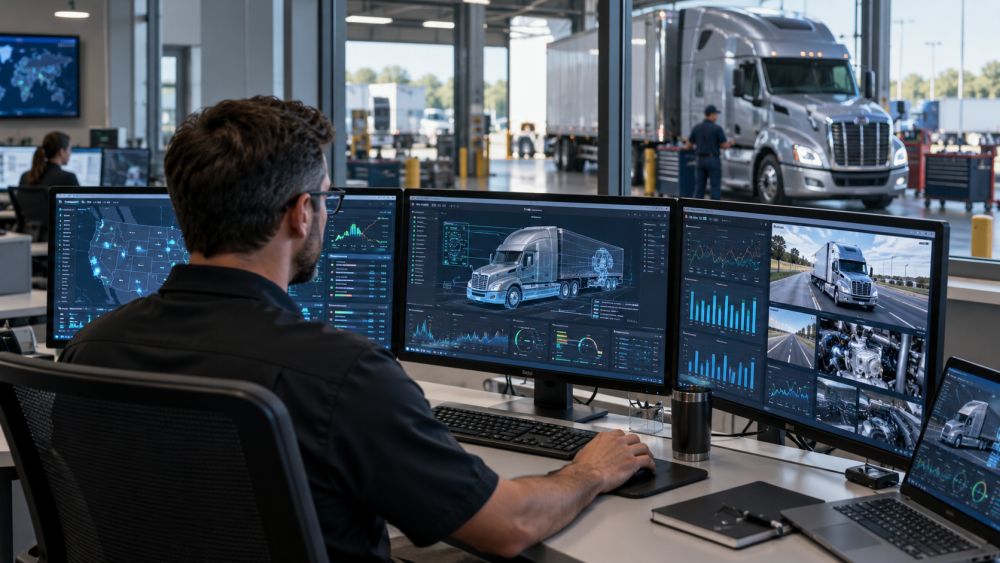
How Manufacturers Can Support Connected Truck Equipment Remotely
The support request sounds straightforward: a trailer-monitoring unit has stopped reporting. The customer wants it working again before the next load leaves.
For the equipment manufacturer, the investigation could involve several people. Someone needs to identify the unit, confirm its installation, check whether it has power, and establish when communication stopped. Without access to device information, even those basic steps may depend on a driver finding a label or a technician visiting the trailer.
Remote device management changes where that investigation begins. It gives manufacturers a way to understand deployed equipment before asking someone to physically inspect it.
IoT connectivity provider Blues highlights this operational challenge in its guidance on scaling connected truck and trailer products. Its Notecard modules and Notehub platform help manufacturers connect and manage deployed devices, providing infrastructure on which they can build their own support processes and customer services.
Start with the unit the customer actually has
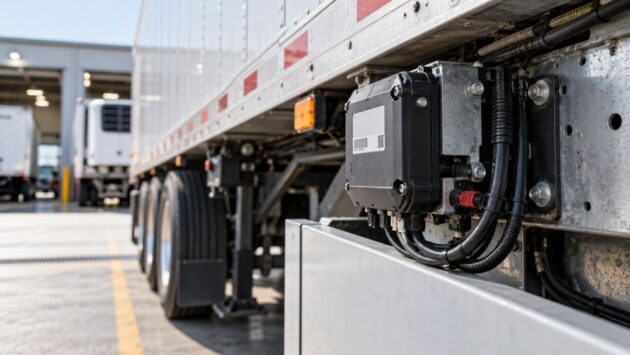
A support engineer needs to know more than the product name. Two devices sold under the same name may have different hardware revisions, software versions, or installation histories.
A useful service record connects the device’s identity to the equipment it monitors. It should help the support team establish which trailer or subsystem is involved, when the unit was installed, and what has changed since then.
That relationship deserves attention during installation and replacement. If a monitoring unit moves to another trailer but its record still identifies the original asset, accurate telemetry can produce an inaccurate diagnosis.
A simple commissioning check can prevent considerable confusion later: confirm the device identity, verify that its readings belong to the intended equipment, and record the installation. Remote support becomes much easier when everyone is discussing the same physical unit.
Separate a monitoring problem from an equipment problem
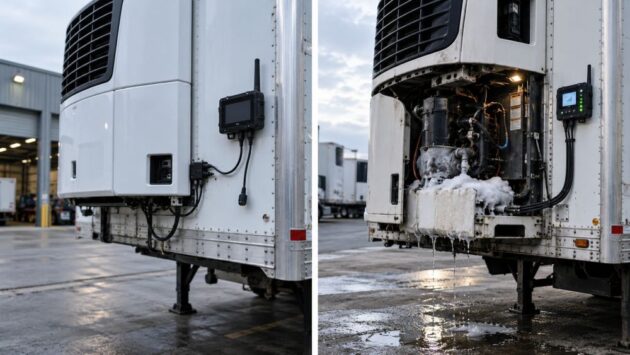
A missing temperature reading does not necessarily mean the refrigeration system has failed. The sensor could be disconnected, the monitoring device could have lost power, or the last transmission could still be waiting for a network connection.
Each possibility leads to a different next step.
Consider a customer reporting intermittent gaps in trailer data. The support team might find that the gaps occur after the trailer is disconnected from tractor power. That pattern gives a technician a reason to examine the monitoring system’s power arrangement before replacing a sensor.
Alternatively, the device may be communicating normally while reporting values that require an equipment inspection. Knowing that communication is working helps the team concentrate on the measurement and its physical source.
The benefit is a more focused investigation. Remote information helps determine what should be checked and which questions still require someone beside the equipment.
Make the field visit more productive
Some problems require a replacement part, wiring repair, or physical inspection. Remote support can still improve the visit.
Before dispatching a technician, the manufacturer can assemble a concise service brief: the affected unit, the reported symptom, relevant readings, and checks already completed. The technician arrives with context instead of repeating the customer’s entire troubleshooting conversation.
After the work, the same monitoring system can help confirm whether expected reporting has resumed. A completed work order and a communicating device provide different evidence; both are useful when deciding whether to close the case.
This also gives customers a clearer account of the service performed. They can see what was investigated, what changed, and whether the original symptom has returned.
Treat remote changes as service work
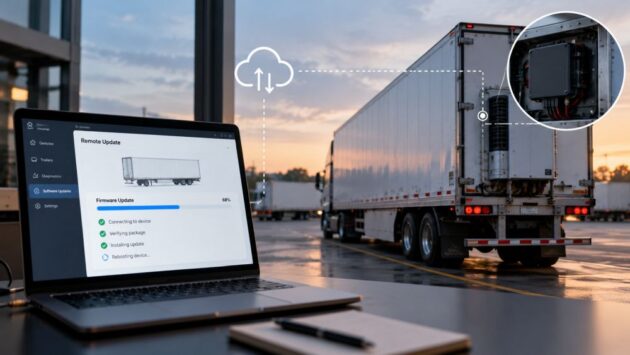
Where supported, configuration changes and firmware updates can resolve certain device issues without a visit. They should carry the same discipline as other service actions.
The team needs to understand which units require the change, whether the software suits their hardware, and how successful completion will be verified. Recording the reason for a change also helps the next support engineer understand the device’s history.
For customers, remote maintenance is most valuable when it produces a dependable result with minimal disruption. Sending an update is only one step in that process.
Manufacturers can assess their remote-support capability through ordinary service outcomes: time spent identifying a problem, repeat visits, unresolved cases, and how often customers must gather information manually. Those measures connect the technology to the experience of owning the equipment.
A connected product should make the next support call easier to handle. When the manufacturer can begin with a reliable device history and relevant operating information, distance becomes less of an obstacle to good service.